
 0
0 
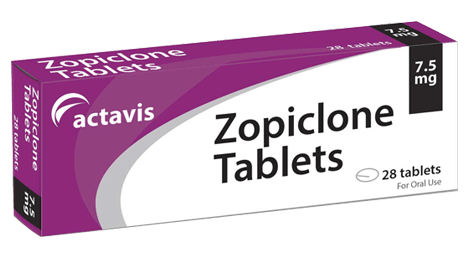
Zopiclone
If you want the medications best for insomnia, check out Zopiclone. We have high-quality medication for you.
Sleep is one of those things we all pursue but never quite achieve. It's not so much about closing your eyes as it is about allowing your body to heal, recharge, and prepare for the next day. Recently, magnesium has been spoken of as a natural aid for quality sleep. They say it relaxes muscles, calms the mind, and even allows you to sleep longer. But how much of this is fact? To discover, let's break down what magnesium does, how it affects your sleep system, and if it has a place in your bedtime routine.
Magnesium is an essential nutrient that is often overlooked, but it plays a crucial role in facilitating more than 300 biochemical reactions in the body. It calms your nerves, relaxes your muscles, and maintains energy stores. Without sufficient magnesium, the body can't achieve balance. That imbalance frequently manifests as irritability, tiredness, or insomnia.
Here's why it's fascinating: magnesium doesn't put you to sleep by coercion. It prepares your internal environment for rest. If your nervous system, brain, and muscles are relaxed, sleep falls into place. That's the primary explanation why this mineral continues to appear in sleep research and nighttime rituals.
Magnesium's popularity as a sleep supplement is not just a wellness fad. There's an increasingly large body of research demonstrating that it has a true function in controlling sleep quality. Individuals with low levels of magnesium tend to complain of light, fragmented sleep or insomnia.
All the same, magnesium isn't something that's going to hit you like a sleeping pill. It has a more subtle effect. Imagine that it's like a stagehand; it doesn't put on the show, but it ensures that what happens offstage goes smoothly.
Magnesium is a naturally occurring mineral that's found in nearly every cell in your body. It assists with energy production, maintains healthy bones, regulates blood pressure, and keeps nerve and muscle function normal.
You can get magnesium through foods such as:
The recommended daily amount is approximately 300-420 mg for adults. Modern diets rich in processed food tend to be inadequate. That's why mild magnesium deficiency can become prevalent even in healthy individuals.
Magnesium influences sleep through various interlinked systems. The most direct system is the nervous system. It maintains the regulation of GABA (gamma-aminobutyric acid): the neurotransmitter that calms brain activity and leads to relaxation.
When magnesium levels are at their best:
This sets the stage for rest. Magnesium also enhances melatonin regulation, the chemical that signals your body that it's time for bed. When both GABA and melatonin work optimally, your sleep cycle stabilizes. Fewer nighttime awakenings, easier shifts between sleep stages.
Magnesium sleep studies are inconsistent, but the general trend is positive. Magnesium supplementation has been found to enhance sleep efficiency and shorten the latency period in falling asleep, particularly among older persons or persons with symptoms of insomnia.
Some key findings are:
In short, magnesium seems to help when your body is lacking it, but doesn't do much if your levels are already healthy.
Here's something most people aren't aware of: mood and sleep have the same biological roots. When stress is high, sleep doesn't stand a chance. And when you're not sleeping, stress gets worse. Magnesium has a crucial role in stopping that cycle.
It does so by:
Low magnesium has been associated with increased anxiety, irritability, and mild depression. By replenishing levels, some individuals report quieter minds, less restlessness, and fewer awakenings at night.
Not all magnesium supplements are created equal. Some are more easily absorbed, and others are kinder to digestion. When it comes to sleep in particular, three types generally work best:
Steer clear of magnesium oxide if improved sleep is your primary aim. It's not well absorbed and is more apt to upset your stomach.
In moderation, magnesium is safe. But like everything else, more isn't necessarily a good thing. Too much might result in bloating, nausea, or diarrhoea. Individuals with kidney disease need to be very careful since their bodies might have a hard time getting rid of excess magnesium.
Other side effects are infrequent but potential, including low blood pressure or decreased heart rate, particularly if you go above the upper dose of 400 mg of supplementary magnesium per day. The good news: dietary sources hardly ever result in overdose because your body automatically controls absorption from foods.
There isn't a strict rule about timing. Some people take magnesium 30-60 minutes before bed to encourage relaxation. Others prefer it with dinner or earlier in the evening to avoid any digestive issues.
The secret to success is consistency. Magnesium doesn't work right away; it accumulates over time. It provides a slow burn of maintenance, not an overnight fix. Pair it with good sleep hygiene like dim light, reduced screen time, and a relaxing bedtime routine for the most benefit.
Magnesium can help alleviate some sleep disorders:
But it's not a magic pill. For insomnia, sleep apnea, or anxiety-induced sleeplessness that persists over time, magnesium can help, but it will not fix the underlying issue. It's best when used as a component of a comprehensive plan, one that includes changes in lifestyle and formal behavioural techniques.
If supplements fail, you are not out of luck. Cognitive Behavioral Therapy for Insomnia (CBTi) is more successful for many people. It is a nondrug, structured system that has been shown to naturally enhance sleep.
CBTi will teach you how to:
The greatest benefit is that CBTi doesn't rely on pills or supplements. Once you've got the methods down, your sleep quality remains the same even during times of stress.
If bad sleep has been weighing you down, begin by realizing what's really causing it. Whether it's low magnesium levels, bad habits, or perpetual stress, finding the true impediment is where you begin.
Having a professional sleep coach or working through online CBTi programs can provide you with individualized instruction without waiting weeks. You'll understand how to control restlessness at night, optimize your space, and create routines that facilitate deep, natural sleep.
Magnesium can definitely assist, but it's not a silver bullet. If your body is deficient in magnesium, replenishing those stores can make a huge difference in how quickly and easily you fall and remain asleep. It can also reduce stress, aid in muscle recovery, and level out mood. All of which affect rest.
But if your levels are already balanced, then increasing the magnesium may not do much. Utilize it as one of your tools, not the entire solution.
Magnesium is important in assisting your body to relax, manage stress, and assist with natural sleep patterns. It's best utilized when replenishing a deficiency, particularly for individuals who experience anxiety or sleeplessness. But it is not a single solution. True, long-term improvement comes through change in habits, stress, and attitudes. Combine magnesium with regular routines and evidence-based techniques such as CBTi for optimal results. Because quality sleep isn't in a bottle, it's constructed by balance and design.
If you want the medications best for insomnia, check out Zopiclone. We have high-quality medication for you.

Are you struggling with insomnia? Here is a great alternative for you. Zolpidem is one medication that you need to treat sleep problems.

Need help to treat sleep disorders? You need the right medication, and Nitrazepam is the best for you. Utilize the tablets for better sleep at night.

When you miss a night's sleep, the problems can be enormous. Eszopiclone ensures that you get a good night sleep as the medication has proven effective for insomnia.
Your email address will not be published. Required fields are marked *
